The T Shirt is more than just a piece of casual wear—it is a universal fashion staple worn by people of all ages, cultures, and lifestyles. From basic everyday outfits to high-end fashion statements, the T Shirt man has evolved into a versatile, comfortable, and expressive form of clothing. Whether you are a fashion enthusiast, an online seller, or simply someone trying to understand the world of T Shirts, this complete guide will help you explore everything about choosing, styling, and maintaining T Shirts.

In this 2000-word article, we will discuss the history of the T Shirt, different types, fabric quality, printing methods, current trends, and how to choose the perfect T Shirt for your needs. Let’s dive in!
What Is a T Shirt?
A T Shirt is a simple top-wear garment named after its “T” shape—characterized by short sleeves and a round or V-shaped neckline. Traditionally made from cotton, today’s T Shirts come in a variety of fabrics, designs, patterns, and cuts. What makes a T Shirt special is its simplicity and ability to match various outfits. People wear T Shirts for comfort, style, branding, sports, and even personal expression.
The History of the T Shirt
Although the T Shirt is extremely popular today, its origins date back to the early 20th century. Initially, T Shirts were used as undergarments by soldiers during World War I. The lightweight, breathable design quickly became popular, and by the 1950s, Hollywood stars like James Dean and Marlon Brando made the T Shirt a symbol of youth culture.
By the 1970s and 1980s, printed T Shirts became a means of artistic expression, political messaging, and brand promotion. Today, T Shirts have become one of the most produced and worn clothing items in the world.
Why T Shirts Are So Popular
There are several reasons why the T Shirt remains one of the most preferred clothing items:
1. Comfort
T Shirts are lightweight, soft, and breathable—ideal for hot weather and everyday wear.
2. Affordability
A T Shirt is relatively inexpensive compared to other clothing items, making it accessible for everyone.
3. Versatility
You can wear a T Shirt with jeans, shorts, joggers, skirts—anything!
4. Easy to Print
Brands love T Shirts because they provide a perfect surface for logos, messages, and artwork.
5. Unisex Appeal
T Shirts are equally popular among men, women, and kids.
Types of T Shirts
Understanding the different types of T Shirt styles will help you choose the right one for your needs. Here are the most common types:
1. Crew Neck T Shirt
This is the classic style with a round neckline. It is comfortable and suits almost every body type.
2. V-Neck T Shirt
The V-shaped neckline gives a stylish and slightly formal look compared to the crew neck.
3. Polo T Shirt
Featuring a collar and buttons, polo T Shirts offer a sporty yet classy appearance.
4. Long Sleeve T Shirt
A great option for cooler weather or a layered outfit.
5. Oversized T Shirt
Trendy among younger generations, oversized T Shirts provide a relaxed and street-style look.
6. Graphic T Shirt
These T Shirts feature printed images, logos, quotes, or artistic designs.
7. Henley T Shirt
A collarless style with buttons, offering both comfort and sophistication.
Types of T Shirt Fabrics
Choosing the right fabric is extremely important for comfort and durability. Here are the best materials used in T Shirt manufacturing:
1. 100% Cotton
Soft, breathable, hypoallergenic, and perfect for everyday use.
2. Organic Cotton
Environmentally friendly and chemical-free.
3. Polyester
Lightweight, wrinkle-resistant, and great for sportswear.
4. Cotton-Poly Blend
Combines comfort with durability, making it ideal for regular wear.
5. Linen
Breathable and perfect for hot climates but tends to wrinkle easily.
6. Rayon
Smooth and lightweight, often used in fashion T Shirts.
T Shirt Printing Methods
If you want a custom T Shirt, it’s important to understand different printing techniques:
1. Screen Printing
Great for bulk orders—durable and vibrant colors.
2. DTG (Direct-to-Garment)
Perfect for detailed designs and small batches.
3. Heat Transfer Printing
Uses heat to transfer designs—good for colorful prints.
4. Sublimation Printing
Best for polyester T Shirts—colors blend directly into the fabric.
5. Vinyl Printing
Ideal for names and numbers on sports T Shirts.
How to Choose the Right T Shirt
Here are some important factors to consider when choosing a T Shirt:
1. Fit
- Slim fit for a modern, stylish look
- Regular fit for everyday comfort
- Oversized fit for a trendy, relaxed style
2. Fabric Quality
Look for breathable materials like cotton. High-quality fabric lasts longer and feels better.
3. Purpose
Different occasions require different T Shirts:
- Workout T Shirt
- Casual wear T Shirt
- Office-casual polo T Shirt
- Graphic T Shirt for outings
4. Color
Black, white, grey, and navy are timeless choices. Bright colors work great for fashion and branding.
5. Neck Type
Choose a neckline based on your face shape and personal preference.
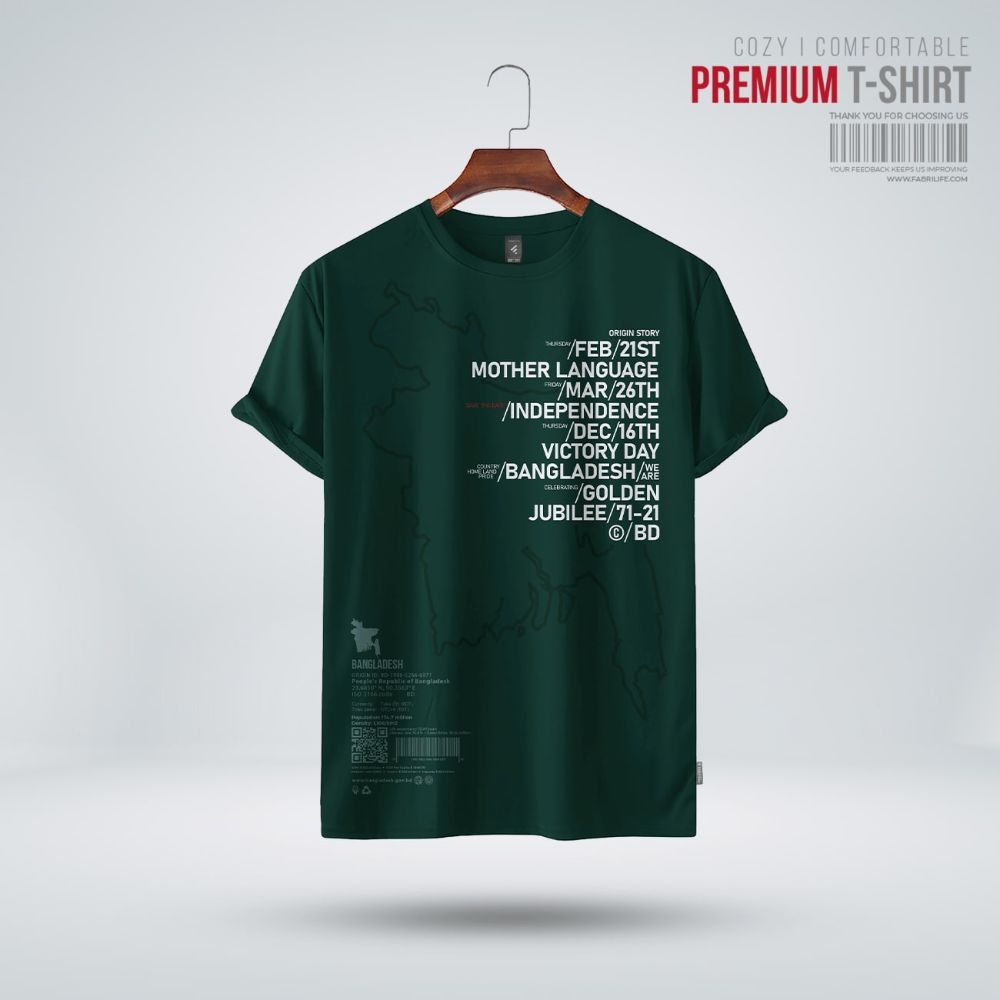
T Shirt Fashion Trends in 2025
Fashion constantly evolves, and the T Shirt industry is no exception. Some current trends include:
1. Oversized Streetwear
Baggy T Shirts with graphic prints are extremely popular among teens and young adults.
2. Minimalist Designs
Plain T Shirts with simple colors and clean cuts.
3. Sustainability
Eco-friendly T Shirts made from organic cotton and recycled materials.
4. Retro Prints
Vintage logos and old-school designs are making a comeback.
5. Custom T Shirts
Personalized T Shirts for events, branding, and gifting are trending like never before.
How to Style a T Shirt
A T Shirt can be styled in countless ways. Here are some ideas:
1. Casual Look
Pair a plain T Shirt with jeans and sneakers — timeless and comfortable.
2. Smart Casual
Wear a polo T Shirt with chinos and loafers.
3. Layered Style
Add a denim jacket, hoodie, or blazer over a simple T Shirt.
4. Street Style
Combine oversized T Shirts with cargo pants or joggers.
5. Sports & Fitness Look
Wear a breathable polyester T Shirt with gym shorts or leggings.
T Shirt Care Tips
Taking good care of your T Shirt helps maintain its quality and extend its lifespan:
- Wash inside-out to protect prints.
- Use mild detergent.
- Avoid high heat drying.
- Do not iron directly on prints.
- Store folded instead of hanging to avoid stretching.
Why T Shirts Are Great for Business
Selling T Shirts online is one of the easiest and most profitable businesses. Here’s why:
1. Low Cost
T Shirts are cheap to produce.
2. High Demand
People buy T Shirts every day.
3. Easy Customization
Designs can be created for any niche—sports, music, quotes, fashion, job professions, etc.
4. Dropshipping Availability
You can sell T Shirts without keeping inventory
Conclusion
The T Shirt is more than just a casual outfit—it is a universal fashion icon that continues to evolve. Whether you love wearing T Shirts, sell them, or design them, understanding the types, fabrics, fits, and trends helps you make better decisions. With endless customization options, T Shirts remain a powerful tool for self-expression, comfort, and style.
From plain basics to premium printed designs, the T Shirt will always have a special place in global fashion culture. No matter your taste, budget, or lifestyle, there is always a perfect T Shirt waiting fo



0 Comments